

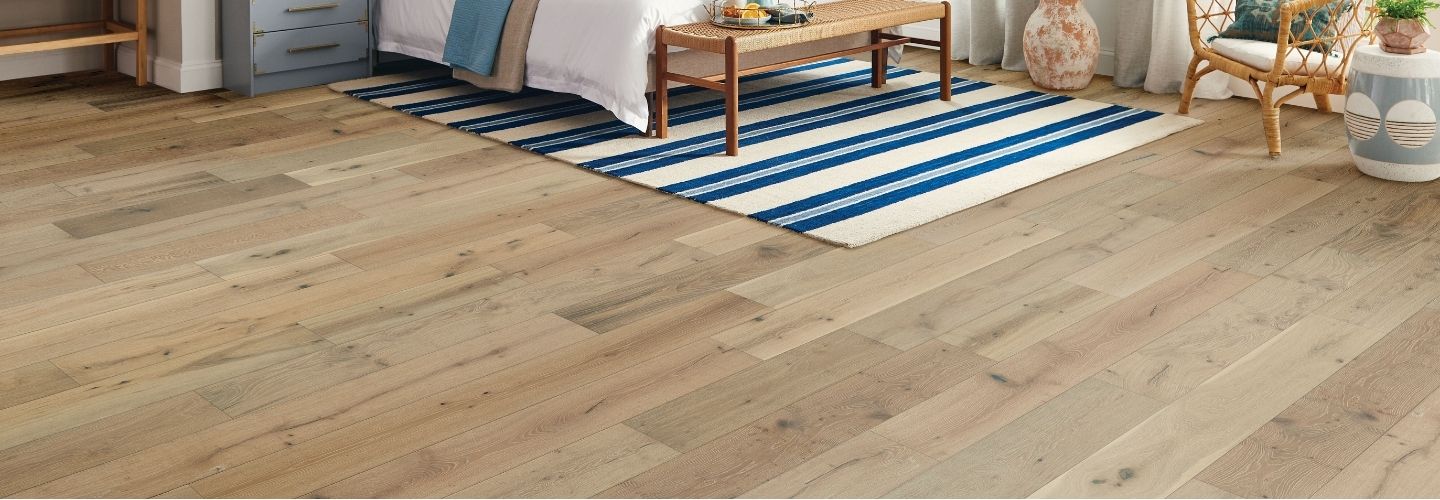
Product & Trends Hardwood Species Spotlight: White Oak
Sep 14, 2026Hardwood flooring gets much of its character from the tree itself. Color, grain, texture, hardness, and natural variation all begin with the species, and understanding those differences can make it easier to appreciate what you’re seeing in a finished floor.
In our Hardwood Species Spotlight series, we’re taking a closer look at some of the trees behind hardwood flooring—how they grow, how to recognize them, what the wood looks like, and what makes each species distinctive.
Meet White Oak
 Daniel Lu (User:dllu), CC BY-SA 4.0, via Wikimedia Commons
About 600 species of oak trees exist, with around 90 found in the United States. White oak is one of North America’s most prominent and strongest hardwoods.
White oaks can grow to impressive proportions, reaching up to 100 feet tall and as much as four feet in diameter. They’re also long-lived trees, commonly surviving 200 to 300 years, with some known specimens living even longer.
Like hickory, white oak is deciduous, losing its leaves in the fall.
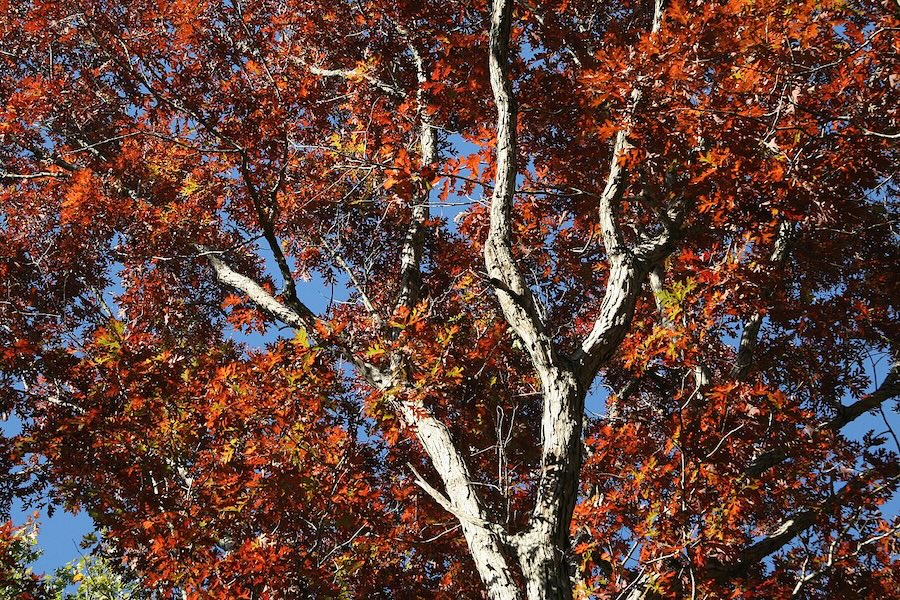 Dcrjsr, CC BY 3.0 , via Wikimedia Commons
What Does White Oak Wood Look Like?
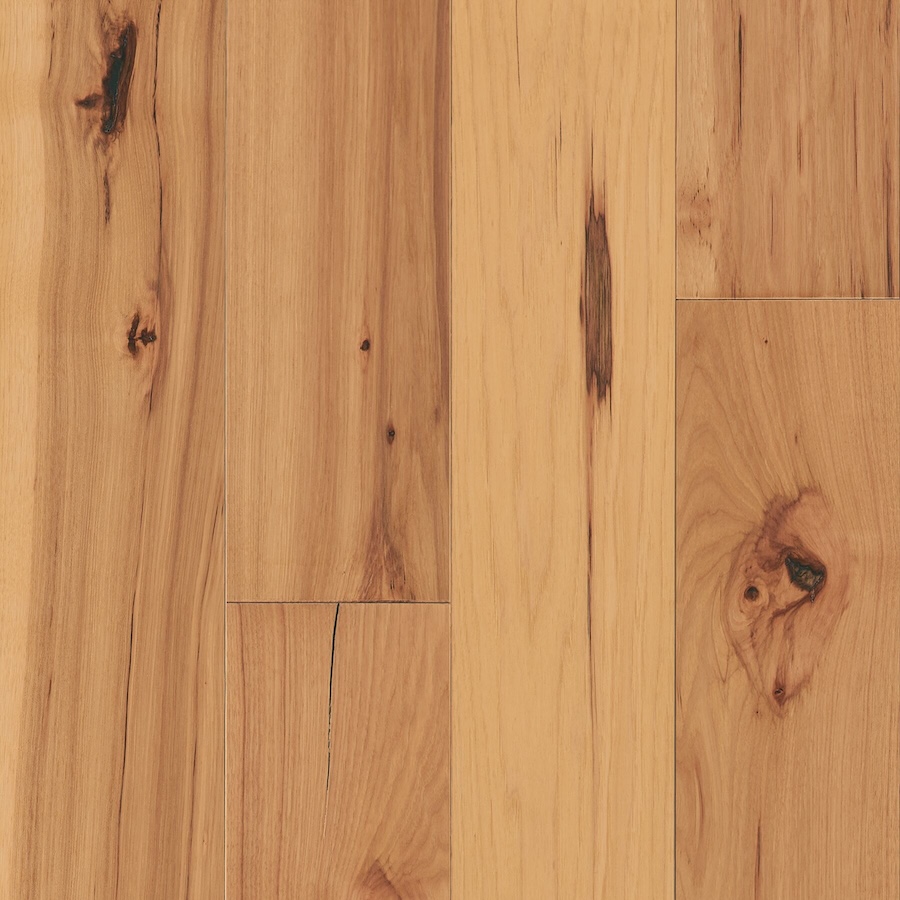
White oak is very heavy, hard, strong, and stiff. It offers excellent wear resistance and durability, qualities that have helped make it a longstanding choice for demanding uses.
The wood has a prominent, generally straight grain and a rough texture. Depending on how the log is sawn, the grain can produce a surprising range of patterns, including flake figures, pinstripes, fine lines, and wavy grain.
Color varies from white to cream in the sapwood to a light brown in the heartwood. White oak may also contain green, yellow, or black mineral streaks, adding another layer of natural variation.
Built to Handle More Than Floors
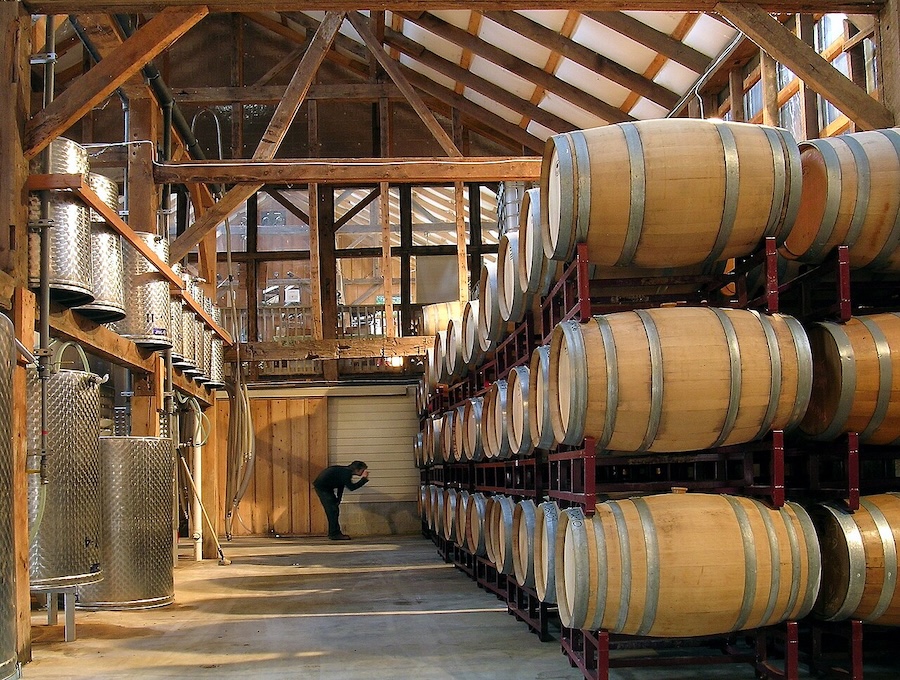 Stephen D Johnsen, CC BY-SA 3.0, via Wikimedia Commons
White oak has a closed cellular structure that makes it resistant to water and rot. That characteristic is a big reason white oak has been used for wine and whiskey barrels and even shipbuilding. It has also long been used for cabinetry, furniture, construction, interior finishes, and, of course, hardwood flooring.
That range of uses says a lot about the species: white oak combines strength and durability with a grain and color that work beautifully in finished interiors.
How to Identify an Oak Tree
White oak has several distinctive features that make it easier to recognize in the landscape.
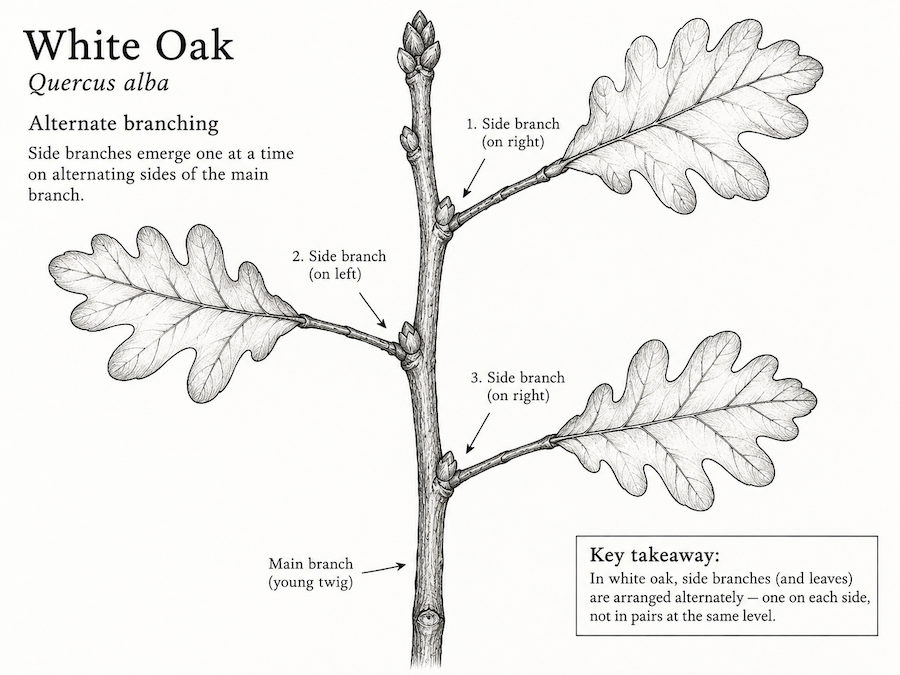
Alternate Branching
White oak trees have alternate branching, meaning the side branches are staggered along the branch rather than growing directly opposite one another.
Simple Leaves
Unlike a compound leaf, which has multiple leaflets attached to the same stem, a simple leaf has a single leaf body, even when it has multiple lobes.
White oak leaves are bright green on top and whitish underneath, with seven to nine rounded lobes. The leaves typically measure between five and nine inches long.
 W.carter, CC BY 4.0, via Wikimedia Commons
Fissured Bark
White oak bark ranges from light gray to dark gray and sometimes nearly white. It is fissured into scaly ridges, and a little more than halfway up the trunk, the bark often begins to form overlapping scales.
 Photo by and (c)2016 Derek Ramsey (Ram-Man), CC BY-SA 4.0 , via Wikimedia Commons
Flowers
White oak trees have both male and female flowers, which appear in May. The male flowers are greenish-yellow catkins that can grow up to four inches long and hang from the twigs. The female flowers are small reddish spikes.
_on_a_White_Oak_within_a_wooded_area_in_the_Franklin_Farm_section_of_Oak_Hill,_Fairfax_County,_Virginia.jpg) Famartin, CC BY-SA 4.0, via Wikimedia Commons
Famartin, CC BY-SA 4.0, via Wikimedia Commons
Fruit
The fruit of the white oak is the acorn, which falls in autumn. Some white oak acorns are sweet enough to eat raw, although they’re more commonly roasted or boiled and dried.
 LocalNatureLab, CC BY 4.0, via Wikimedia Commons
From the Forest to the Floor
 Marty Aligata, CC BY-SA 4.0, via Wikimedia Commons
White oak brings together many of the qualities that have made it one of the most familiar hardwood species: strength, durability, distinctive grain, natural color variation, and impressive longevity.
Its history stretches from barrels and shipbuilding to furniture, cabinetry, and hardwood flooring, and its combination of performance and appearance continues to make it one of the most recognizable hardwoods around.
From Species to Surface
Now that we’ve looked at what makes white oak distinctive in the forest, here’s how the species appears across Crossville Studios™ hardwood collections. Differences in color, finish, texture, and construction bring out different sides of white oak while preserving the natural character that makes the species so recognizable.
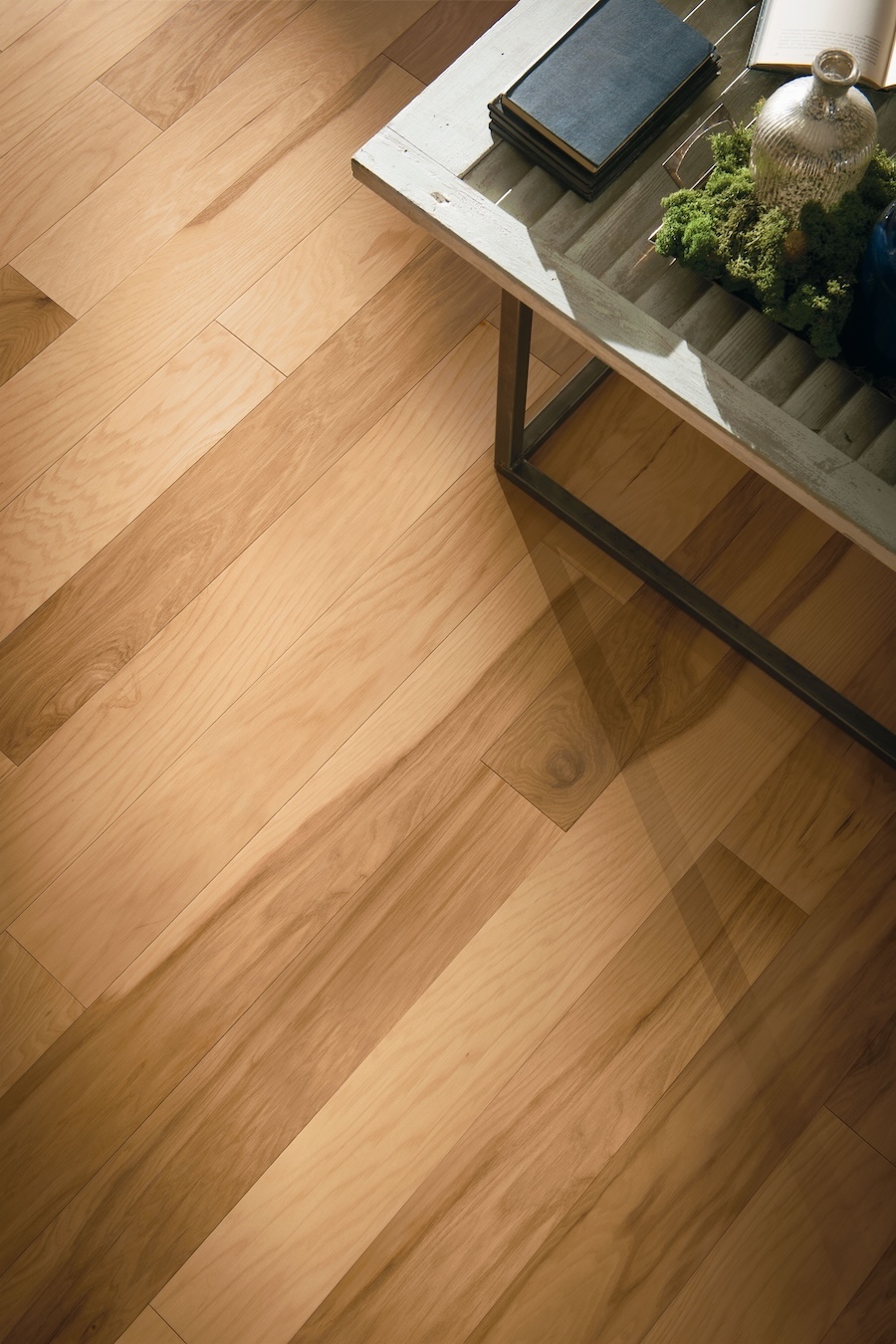 Solid hardwood floor planks in white oak, Grandin Grove collection
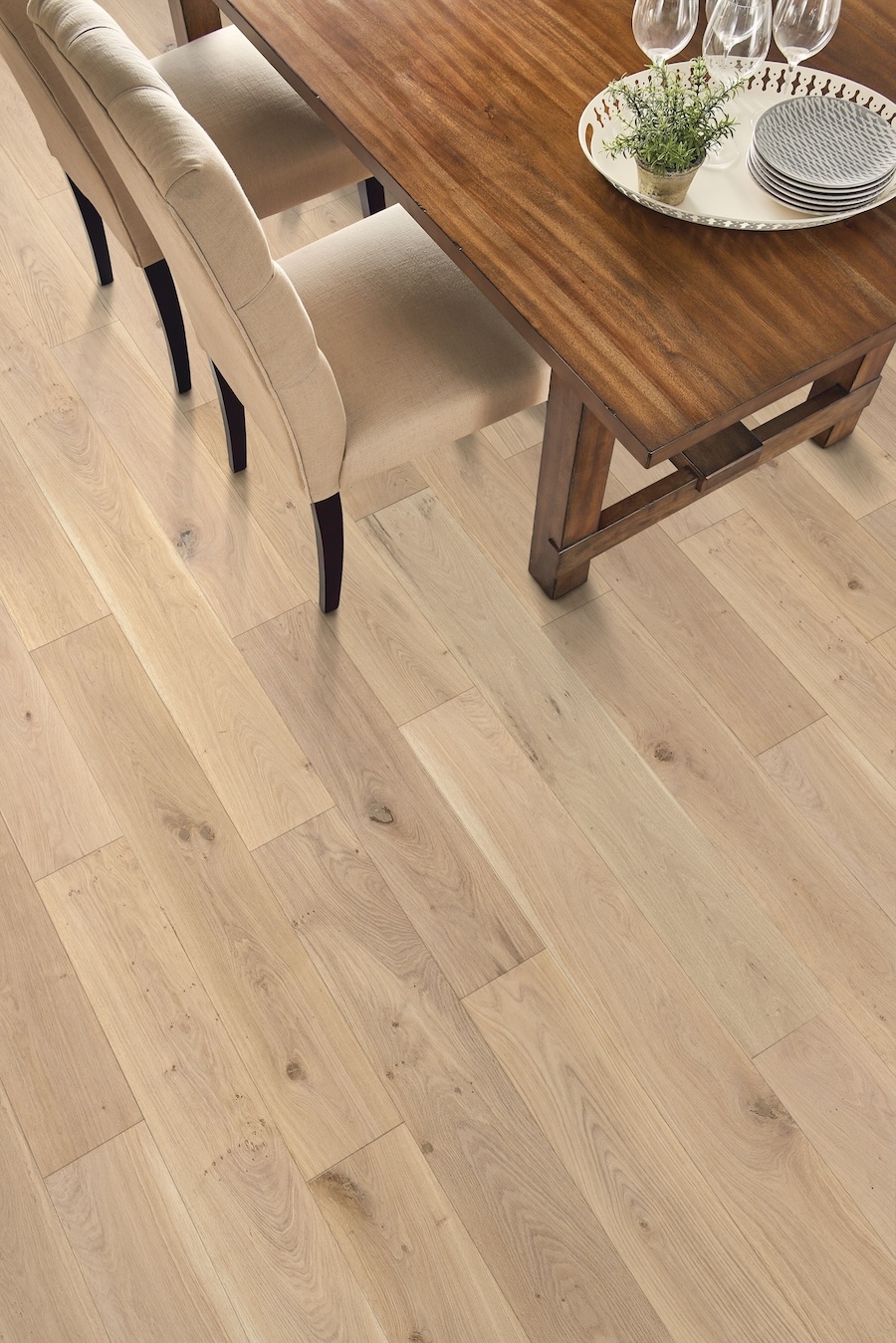 Engineered hardwood flooring in white oak, Goodman collection.
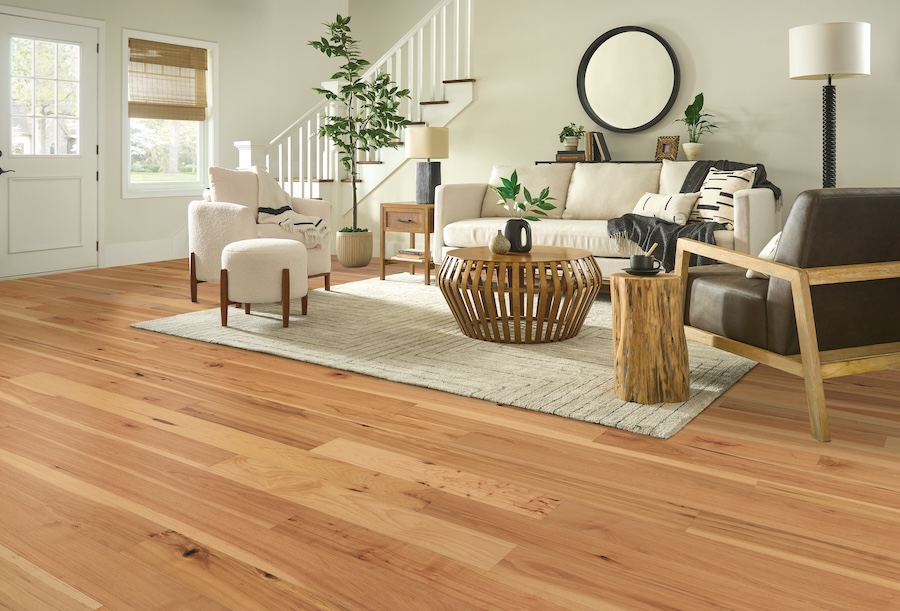 Engineered hardwood flooring in white oak, Glenmora collection.
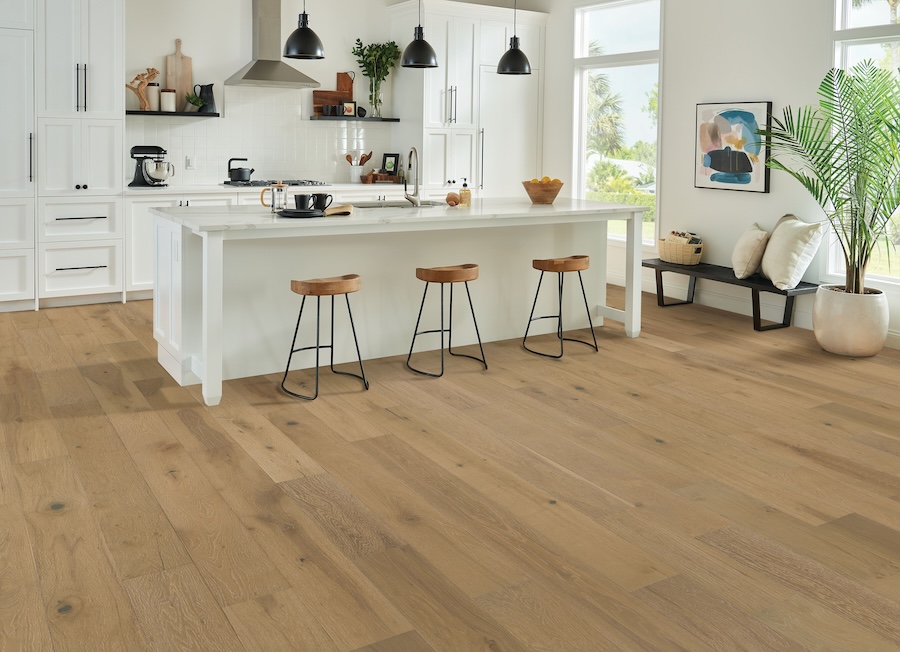 Engineered hardwood flooring in white oak, Bacova collection.
Next in our Hardwood Species Spotlight series, we’ll explore another hardwood and the characteristics that make it distinctive.
Bring the Right Hardwood Home
The wood flooring pros at Crossville Studios locations can help you turn what you’ve learned about species into the right flooring choice for your project. From solid and engineered hardwood to species, color, finish, performance, installation, and long-term care, they can help you sort through the details and find the floor that fits. Connect with us today!