

Product & Trends Hardwood Species Spotlight: Cherry
Oct 30, 2026In our Hardwood Species Spotlight series, we’re taking a closer look at the trees behind hardwood flooring—how they grow, how to recognize them, what the wood looks like, and what makes each species distinctive.
Known for its warm color, fine grain, and smooth texture, cherry has long been prized for furniture, cabinetry, architectural woodwork, and fine interiors. Its excellent workability and ability to take a smooth finish have made it a favorite among woodworkers for generations.
Meet Cherry
 Wilhelm Zimmerling PAR, CC BY-SA 4.0, via Wikimedia Commons
Cherry is a deciduous hardwood native to North America. Mature trees can grow quite large, often developing long, straight trunks in forests and broader crowns in more open spaces.
Cherry has long been valued not just for its fruit, but for the quality of its wood. Its combination of color, fine texture, workability, and smooth finish has made it a favorite for furniture and interior woodwork.
What Does Cherry Wood Look Like?
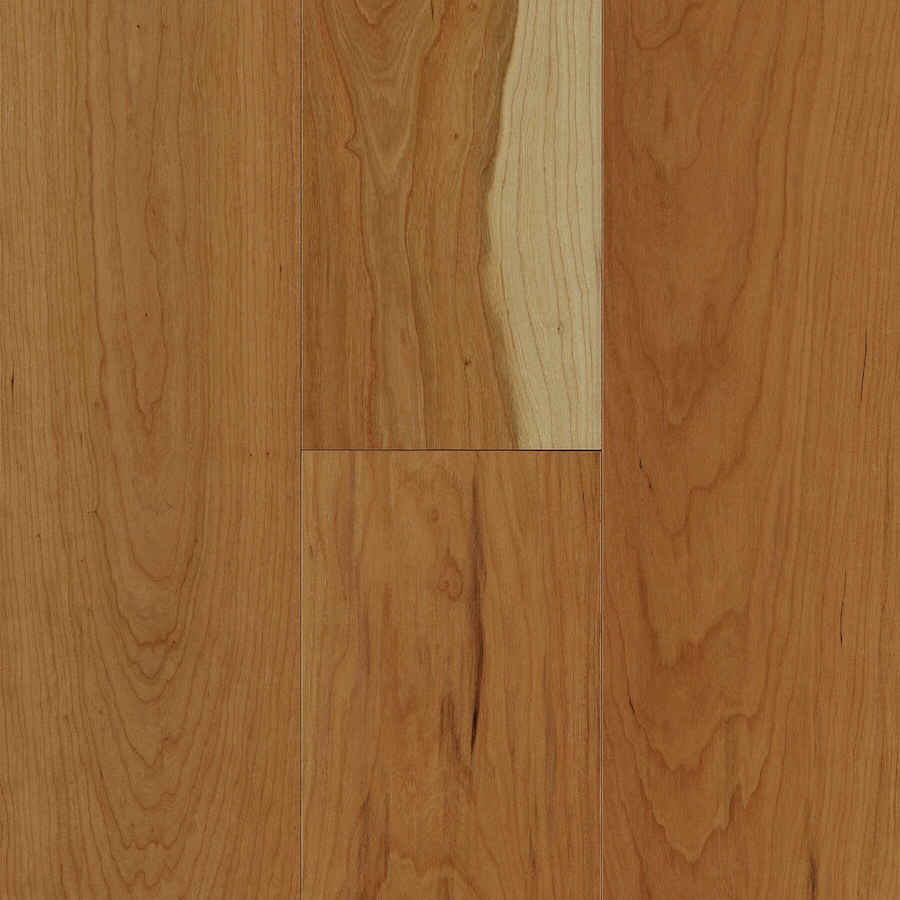
Cherry is known for its warm, distinctive color and fine, even texture. The sapwood is creamy white, while the heartwood ranges from rich red to reddish brown.
One of cherry’s most recognizable characteristics is the way its color changes with age. Light exposure gradually deepens the heartwood, giving older cherry furniture, cabinetry, and interiors a richer, darker appearance.
The grain is generally fine, uniform, and straight. Small brown pith flecks, pin knots, gum pockets, and streaks can occur naturally, adding subtle variation.
Cherry has medium density, medium strength, good shock resistance, and good bending properties. It also cuts, planes, turns, sands, stains, and polishes well, which helps explain its long history in fine woodworking.
A Favorite for Fine Woodwork
Cherry has long been used for furniture, cabinetry, doors, paneling, moldings, interior joinery, and other architectural applications. Its smooth texture and workability also make it ideal for carving, turning, bowls, boxes, and other finely crafted objects. More specialized uses include musical instruments and interior yacht joinery, such as cabinetry, paneling, and trim.

Dressing table, maker unknown, New England, c. 1730, cherry wood with maple inlay - De Young Museum
How to Identify a Cherry Tree
Cherry trees have several distinctive characteristics that make them easier to recognize.
Leaves
Cherry has simple leaves that are typically oval to lance-shaped, with finely toothed edges and a smooth, slightly glossy surface.

Bark
Younger trees have relatively smooth bark marked by horizontal lines or lenticels. As the tree matures, the bark becomes darker, rougher, and more scaly.
 MONGO, Public domain, via Wikimedia Commons
Flowers
Cherry produces small white flowers in elongated clusters during spring.

Fruit
Cherry trees produce small, nearly round fruits that darken as they ripen. Each fruit contains a single stone.
 SriMesh, CC BY-SA 3.0, via Wikimedia Commons
From the Forest to the Floor
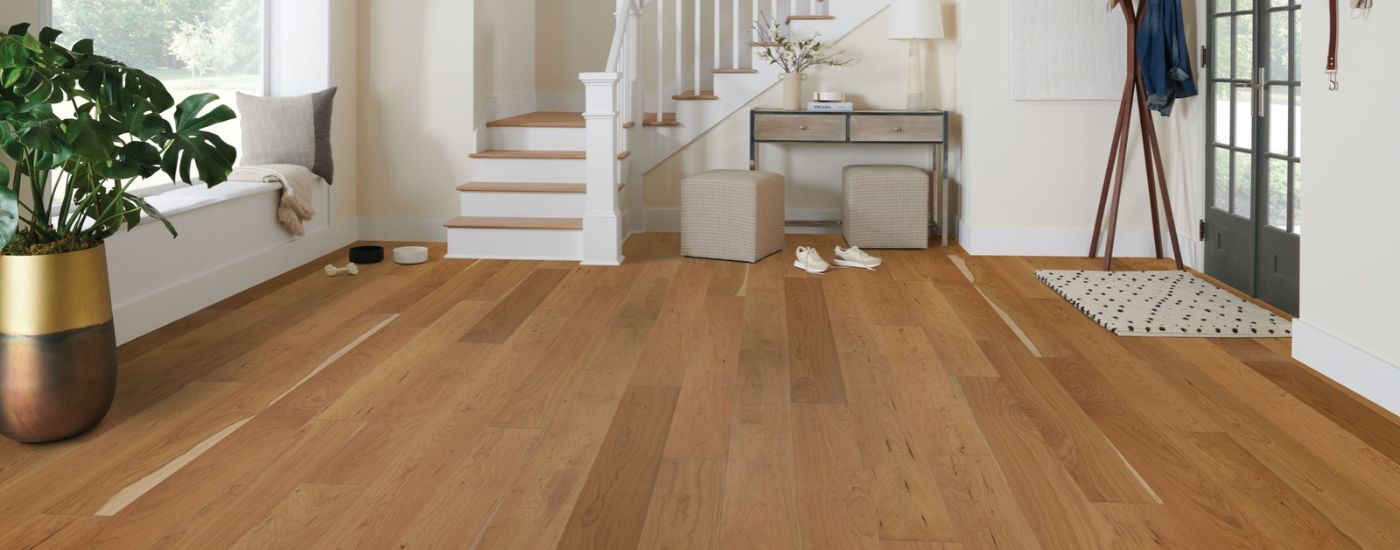
Cherry brings its warm color, fine grain, and smooth texture to hardwood flooring, creating a rich, inviting surface with natural character. Its distinctive appearance makes it an appealing choice for residential interiors and spaces where the beauty of real wood takes center stage.
A New Take on Cherry
Cherry’s natural beauty has always been part of its appeal, but densification changes what the species can do as a flooring surface. Densified wood technology uses heat and pressure (without chemicals) to increase the density of real wood, improving hardness, durability, and overall surface performance while retaining the grain, color, and natural character of the species. This enhanced hardness makes authentic hardwoods suitable for demanding commercial applications. Learn more about our patented densified hardwood technology.
From Species to Surface
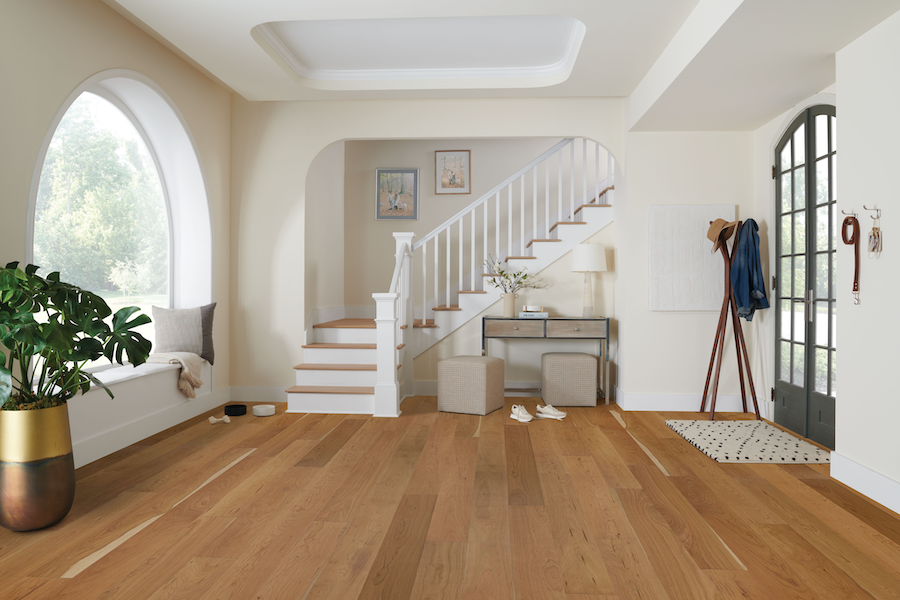
Cherry appears in our Fortessa™ densified hardwood flooring collection, where its warm color, fine grain, and natural character meet the added hardness and durability of densified wood technology.
Want to explore whether densified hardwood is right for your next project? Reach out to one of our 26 Crossville Studios™ locations or browse Fortessa densified hardwood flooring online to see how real wood flooring is being redefined. Connect with a flooring pro today!